
Hepatobiliary and Pancreatic Surgery (HPB) Program - Homepage

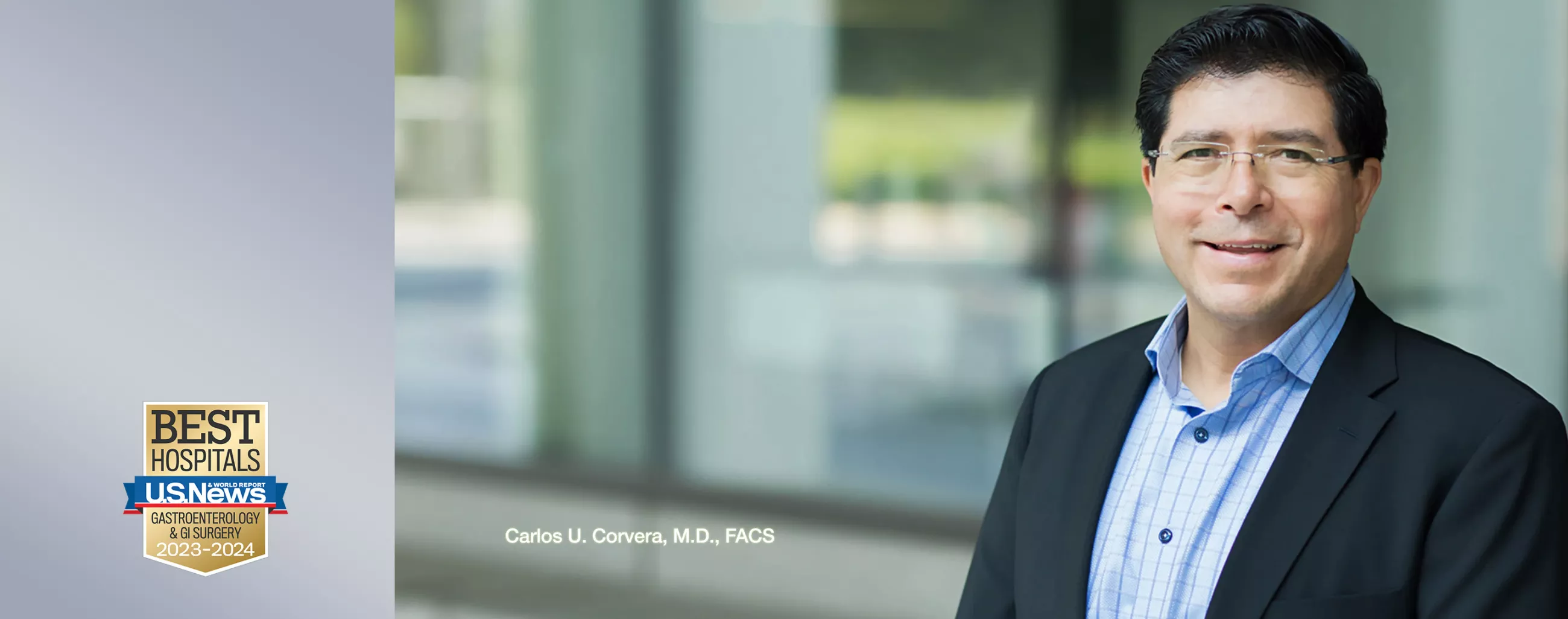
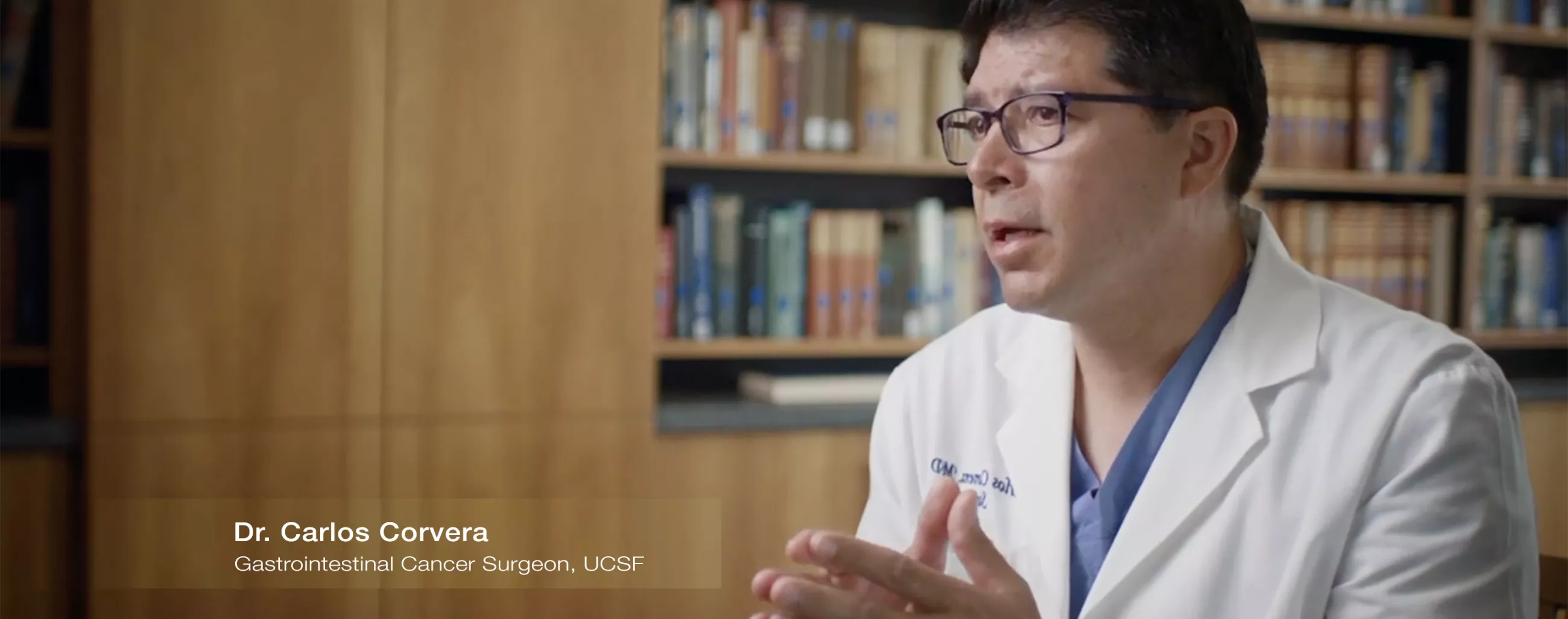




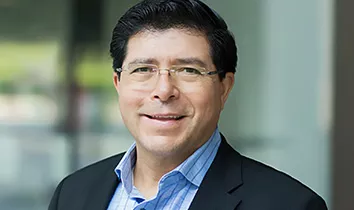
Carlos U. Corvera, MD, FACS
Professor of Surgery
Division of Surgical Oncology
Chief, Section of HPB-GISS (HepatoPancreatoBiliary, GI, Skin, Sarcoma Surgery)
Maurice Galante Distinguished Professorship in Hepatobiliary Surgery
The Hepatobiliary and Pancreatic Surgery (HPB) Program provides state-of-the-art treatment for patients with primary and metastatic cancers of the liver, gallbladder, bile duct and pancreas. The program also treats benign disease including cysts, biliary strictures and bile duct injuries.
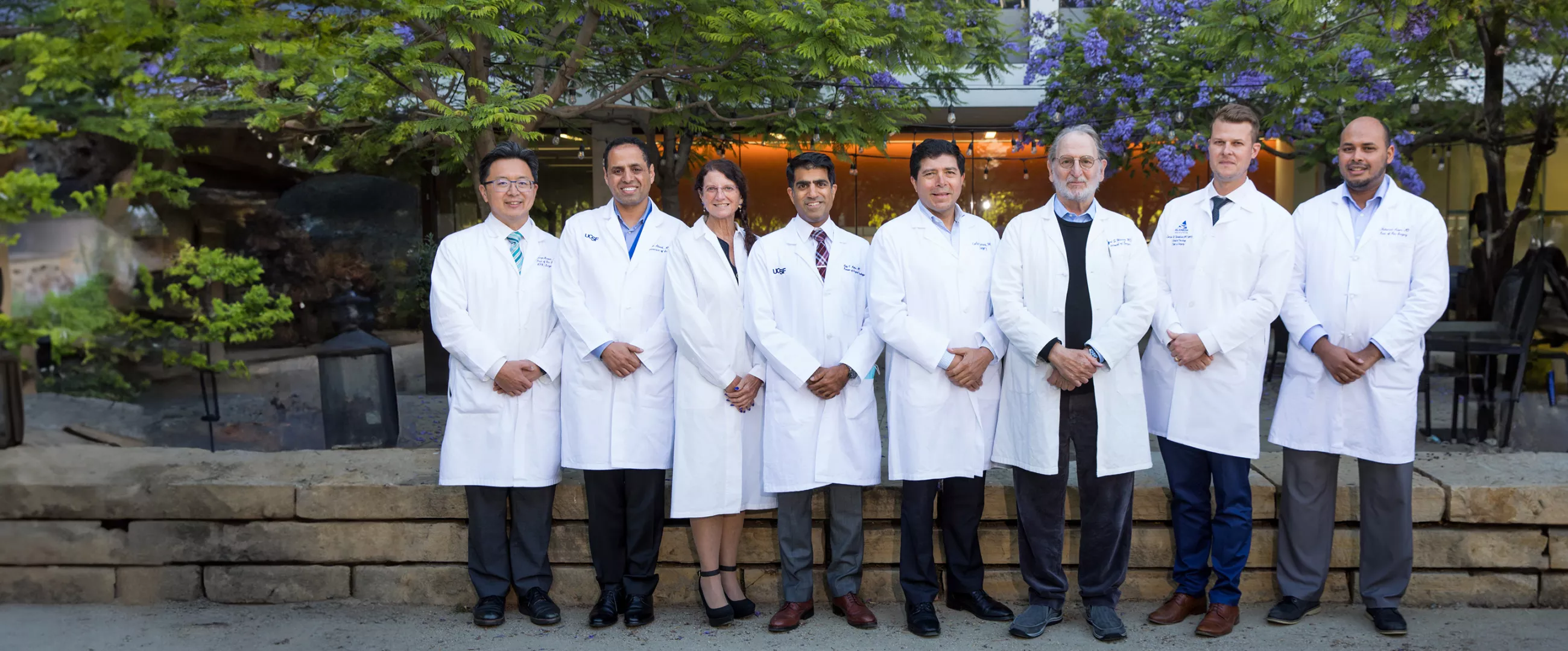
Patients receive seamless multidisciplinary care from a team comprised of hepatobiliary and transplant surgeons, diagnostic radiologists, interventional radiologists, medical oncologists, hepatologists, gastroenterologists and anesthesiologists.
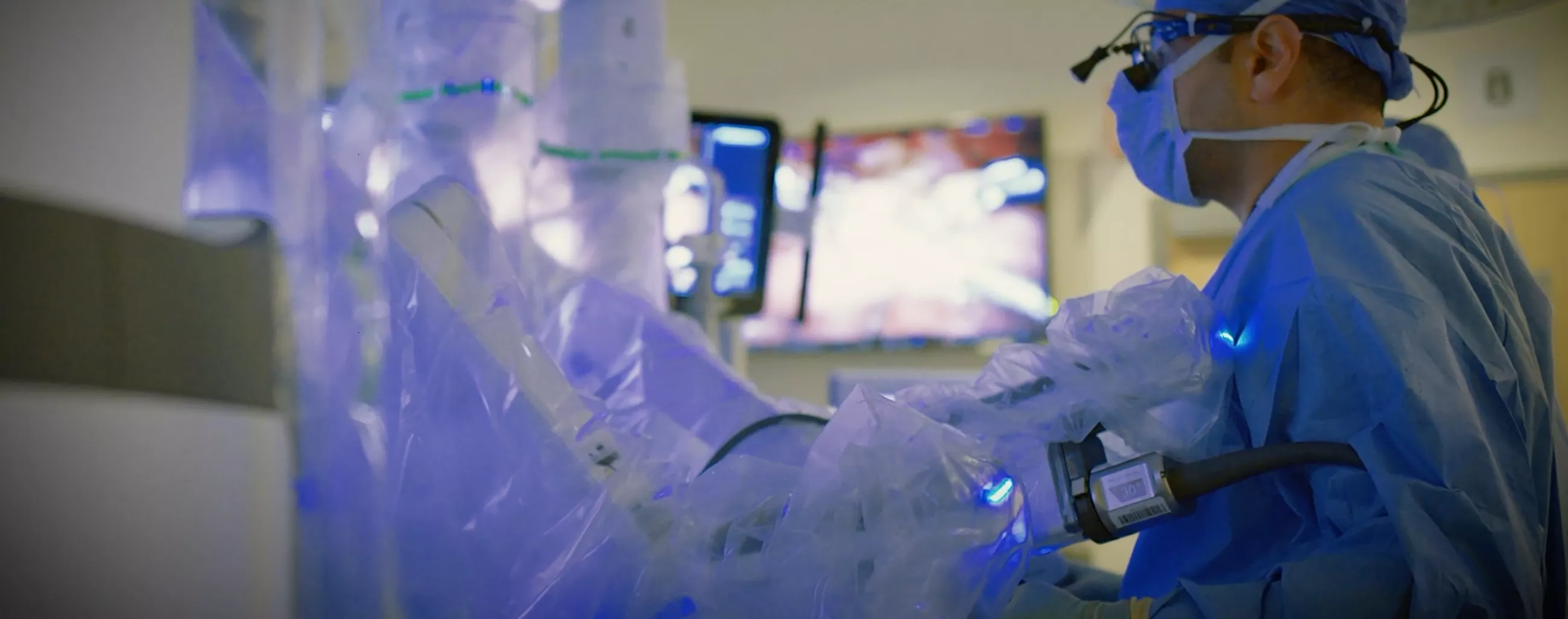
UCSF is one the few centers nationally that performs a large number of advanced laparoscopic and robotic liver and pancreas procedures. For liver, gallbladder and bile duct cancer cases requiring major resections, transplant surgeons apply their expertise from living donor liver transplantation to perform complex reconstruction of the hepatic artery, portal vein or bile duct. This allows the HPB team to resect cancers involving major blood vessels which may be deemed inoperable at other centers.

Follow us on Twitter
Tweets by @UCSFSurgeryOur mission is to develop the next generation of leaders in academic surgery.
However you give – as a former patient, family member or friend, alumnus, or corporate or foundation partner – your gift has profound impact on lives today and on tomorrow’s medicine, pioneered at UCSF.